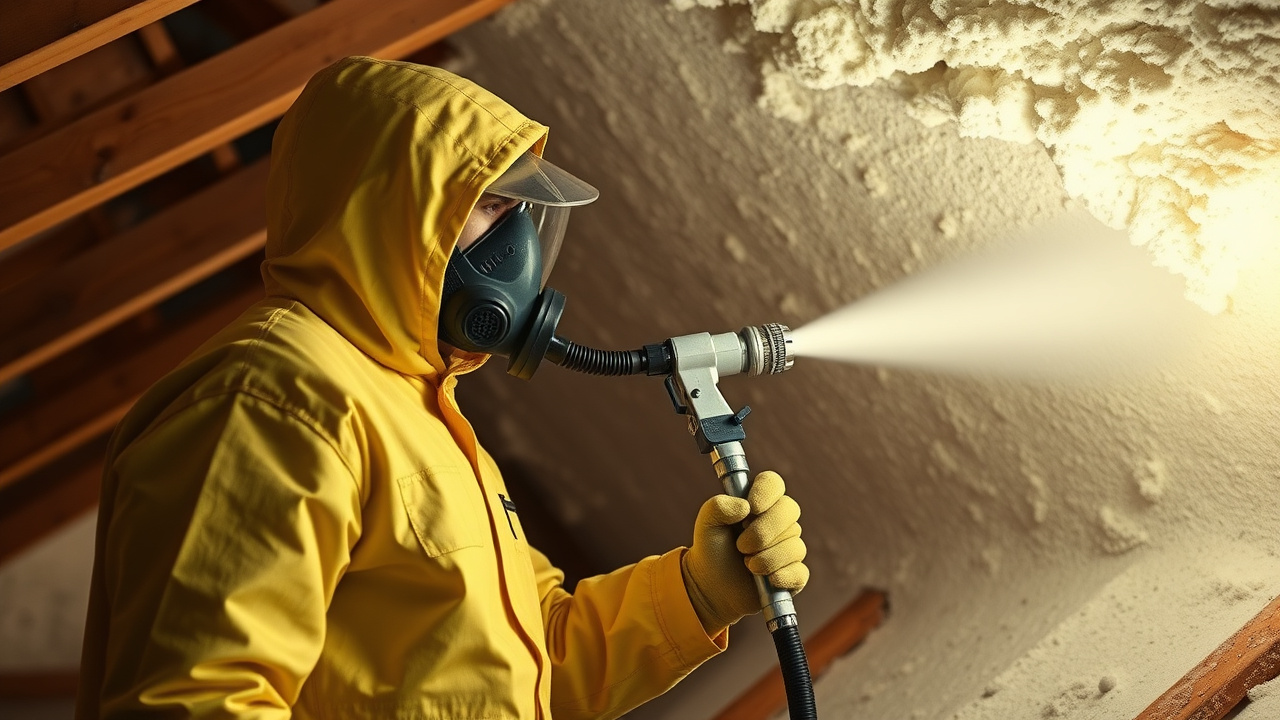
Build a real safety program, not just a binder.
Turnkey, plain-language guidance and template checklists to help spray polyurethane foam (SPF) contractor crews build a genuine, documented OSHA-aligned safety program — respiratory protection, PPE, ventilation, isocyanate exposure control, and training recordkeeping.
Isocyanate exposure is a real, documented hazard
OSHA sets a permissible exposure limit for MDI (the isocyanate used in most SPF systems) of 200 µg/m³ as a 15-minute ceiling — and undocumented programs are a common basis for citations, independent of whether the underlying safety practice was reasonable.
Read the chemical safety pageMost SPF crews know the risks. Few have it written down.
Spray polyurethane foam application involves real, documented chemical hazards — isocyanate exposure chief among them — plus the everyday hazards of ladder, attic, and confined-area work. Most experienced SPF crews know how to work safely in practice. What's often missing is the written program: the documented hazard assessment, the fit test records, the training log.
That gap matters for two reasons. First, undocumented practice doesn't protect workers as reliably as a real program with accountability built in. Second, from an OSHA inspection standpoint, missing documentation is one of the most common — and most avoidable — bases for citations, independent of whether the underlying safety practice was reasonable.
We built this site to close that gap with plain-language, OSHA-grounded guidance — not a sales pitch, not insurance, just the content and checklists a crew actually needs to build a real program.
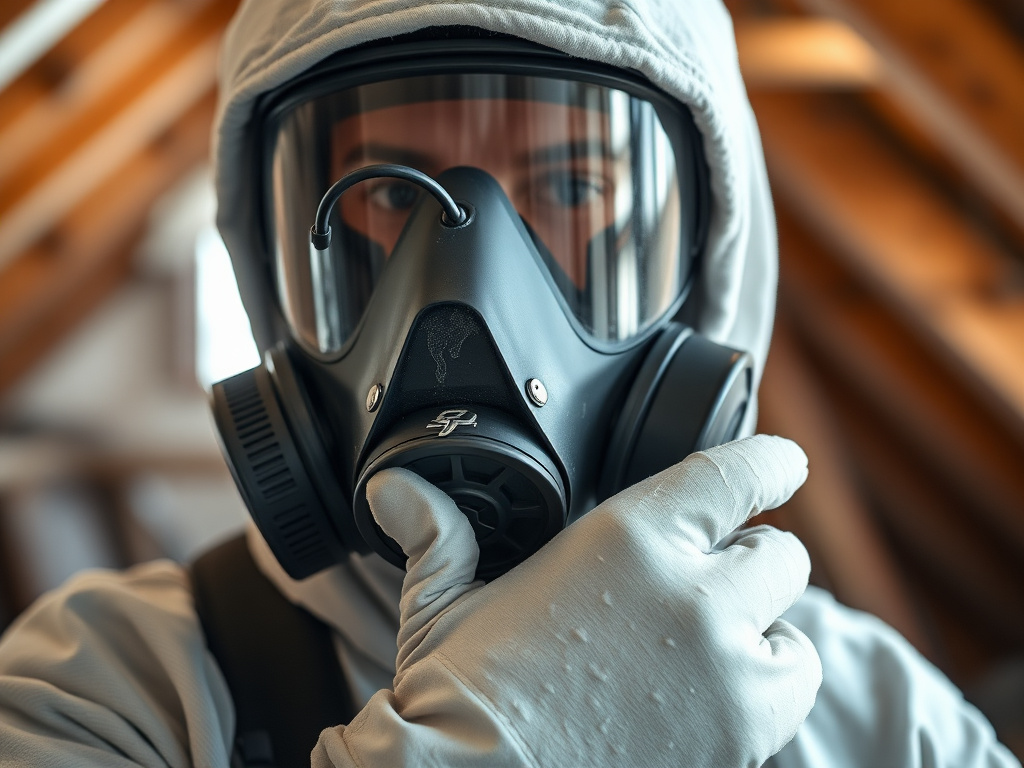
The five pieces of a real SPF safety program
Click any topic to see the OSHA standards it's grounded in, what a documented program should include, and a working checklist.

Grounded in OSHA's actual standards — not guesswork.
Cited, verifiable standards
Every regulatory reference on this site points to a real, verifiable OSHA standard — 29 CFR 1910.134, 1910.132, 1910.1200 — not invented numbers.
Built for how SPF crews actually work
Content written around real SPF job conditions — attics, occupied structures, two-component chemistry — not generic industrial safety boilerplate.
Documentation-first
We focus on what has to be written down and kept on file, because that's what closes the most common, most avoidable compliance gaps.
From zero to a documented safety program
Tell us where you're at
A few quick details about your crew and current program status — nothing yet, informal, or ready for templates.
We point you to the right pages
The five core program pages break each requirement into what it covers and what to document.
Use the templates & checklists
Our resources page describes the checklists and logs your program needs, ready to build out for your crew.
Keep it current
Safety programs aren't a one-time document — check back as your crew, products, or job types change.
Spray foam safety program FAQs
No. Spray Foam Safety Program is an informational resource — we publish OSHA-aligned safety-program content, guidance, and template checklists for SPF contractor crews. We don't sell insurance or safety equipment.
At minimum: a written respiratory protection program, a documented PPE hazard assessment and program, ventilation and re-entry procedures, safe chemical handling practices for isocyanate-based SPF chemistry, and a training/recordkeeping system that proves it's all actually happening — not just written down once and forgotten.
Most SPF systems use MDI-based isocyanate chemistry, which is a respiratory and skin sensitizer. Repeated uncontrolled exposure can lead to sensitization, after which even low future exposure can trigger a reaction, including occupational asthma. OSHA sets a permissible exposure limit for MDI of 200 µg/m³ as a 15-minute ceiling — this is the chemical hazard nearly every other part of an SPF safety program is built around.
We provide plain-language guidance and describe what a compliant template — a PPE checklist, a training log, an SDS organization guide — should cover. We recommend having any program reviewed by a qualified safety professional before treating it as final for your operation.
Typically, an inspector will ask for your written respiratory protection program, PPE hazard assessment certification, fit test records, and hazard communication training records. See our FAQ and training/recordkeeping pages for the full breakdown.
No — the same core requirements apply whether you're a solo operator or run multiple crews. A one-page, consistently used program beats an elaborate one that never gets followed. Our content is built to scale down to owner-operator crews.
Get your crew's safety program moving
Tell us where your crew stands today and what you need — checklists, a training log, or help getting a program started from zero.